
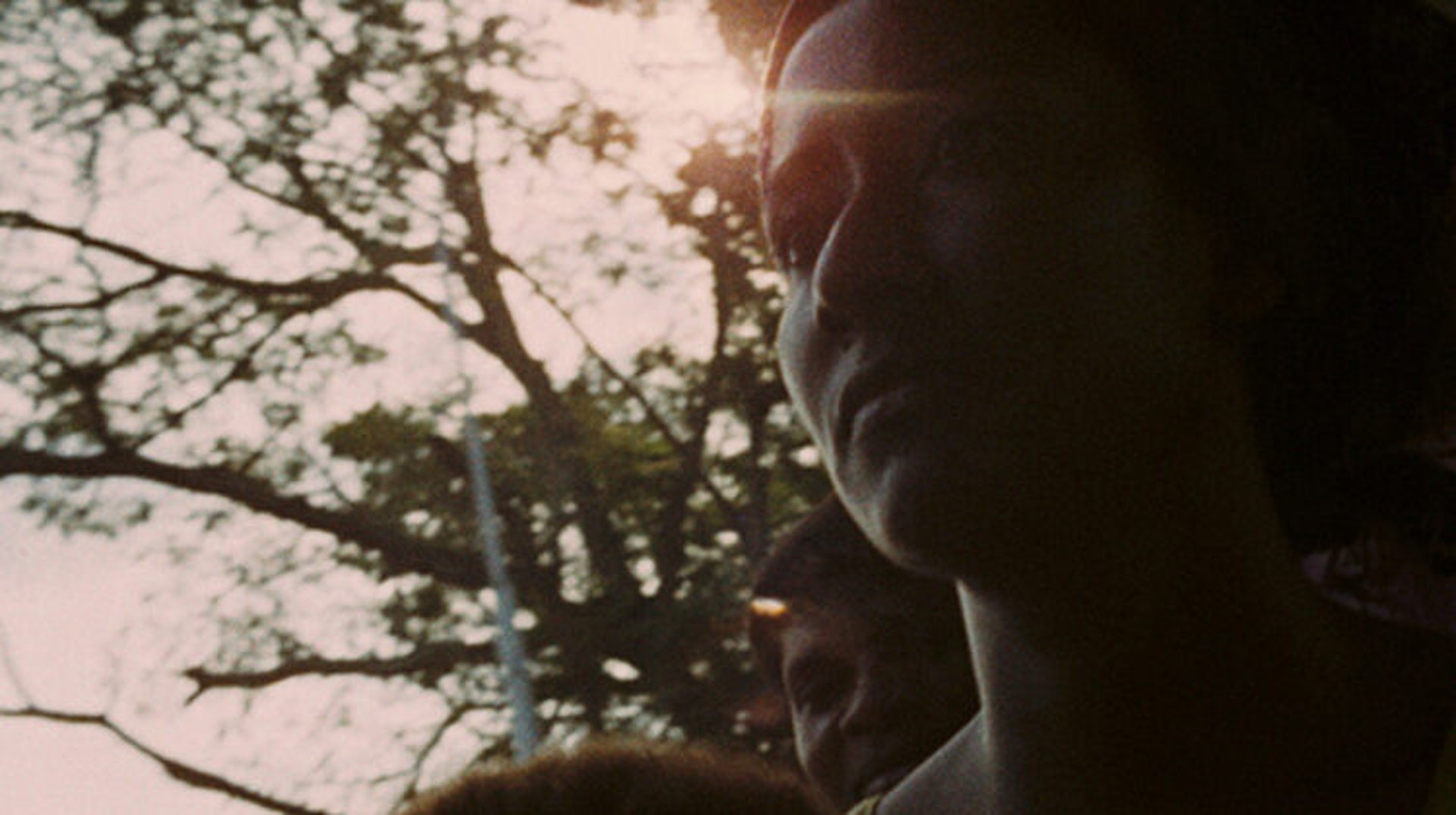
SAMBIZANGA
Dir. Sarah Maldoror | France, Angola | 1972 | 98 min. | Portuguese | subtitles in Lithuanian and English
January 13th, 18:00 @Muzeoteka
Sambizanga depicts the early phase of Angola’s struggle for independence from Portugal. Set several weeks before the outbreak of the guerrilla war, the film follows Maria as she travels from the outskirts of Luanda into the city center in search of her husband, Domingos, a member of the liberation movement who has been arrested by the Portuguese colonial authorities. While Domingos is imprisoned, interrogated, and transferred to Luanda’s central prison, Maria moves with her child through villages and colonial administrative institutions, encountering the control structures that shape everyday life and keep her in a state of uncertainty. The narrative is based on a novel by Angolan writer and activist José Luandino Vieira, and the screenplay was co-adapted by Sarah Maldoror’s partner, Mário Pinto de Andrade, one of the founders of the Popular Movement for the Liberation of Angola (MPLA).
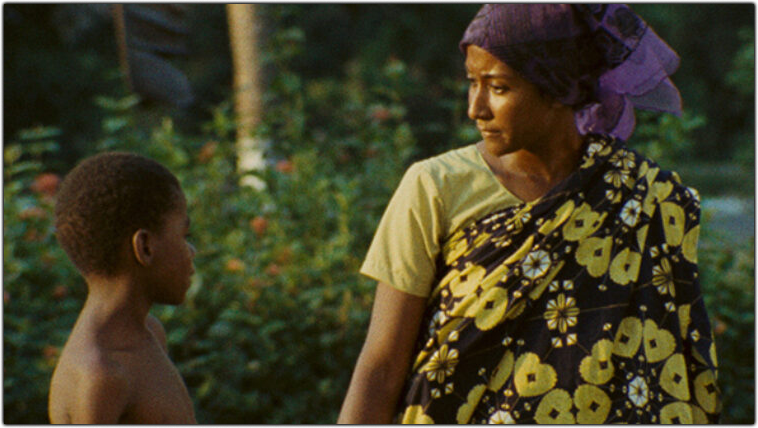
Many of the nonprofessional actors who appear in the film were directly involved in anticolonial resistance. One of the first African feature films directed by a woman, “Sambizanga” foregrounds women’s experiences within liberation movements and documents the systemic nature of colonial violence. Due to its explicit political content and its portrayal of Portuguese repression, the film was banned by the Portuguese colonial regime and was screened in Angola only in 1974, after the end of the war for independence. Today, it is regarded as one of the most important examples of politically engaged African cinema and as a significant historical document of Angola’s independence movement.

